Key points
- Booking.com does not publish one commission rate. It depends on your country, property type and agreement, and marketing programs raise it.
- Airbnb's host-only fee is 15.5% for most hosts, and Airbnb says it is mandatory for most hosts, including traditional hospitality listings.
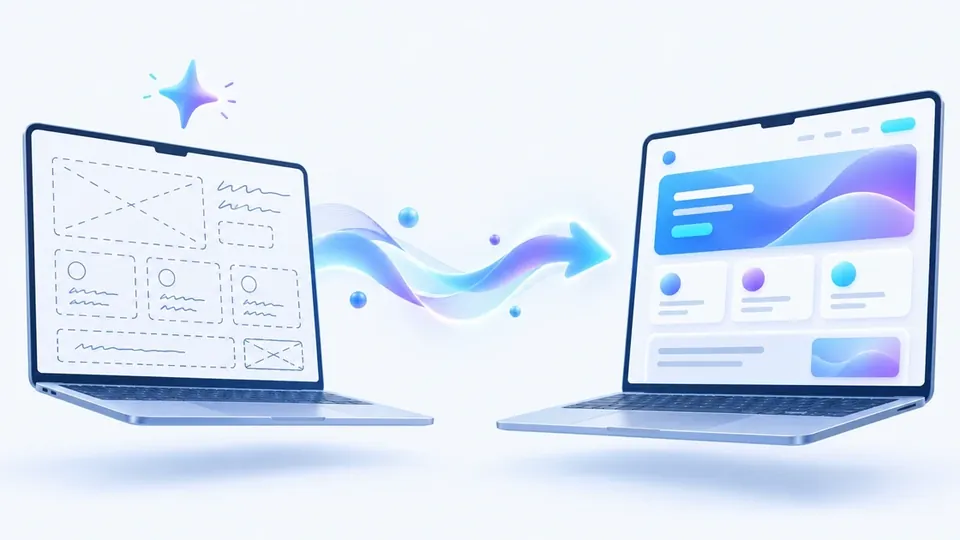
- A site that only shows photos and a contact form does not take direct bookings. It needs live availability, prices, online payment and channel sync.
- Payback is simple arithmetic: commission saved, minus any direct discount, payment fees and running costs, divided into the build cost.
- Small properties that can move little revenue may wait years for payback. Larger ones can recover it within a year.
How much commission do Booking.com and Airbnb take?
Start with the platforms' own documentation rather than the figures quoted in blog posts, because the rules matter as much as the percentage.
Booking.com. The Partner Hub article Understanding your commission says the exact percentage depends on your country, property type and the accommodation agreement you signed. If your reservation statement shows a higher percentage than your contract, you may be in a marketing program such as Preferred Partner or Visibility Booster. Three details on that page are easy to miss:
- Commission is charged on the total booking amount, including the room rate and extra fees such as cleaning fees.
- It is also charged on cancellation and no-show fees you collect, and on non-refundable bookings even if the guest does not come.
- It is not charged on local taxes such as city tax, but in most countries it is charged on VAT or GST.
Your own rate is in your agreement and in the Finance tab of the Extranet, under reservation statements. Use that number in the calculation below, not an average from the internet.
Airbnb. The help page Airbnb service fees describes two structures. Under the single, host-only fee, the whole fee comes out of your payout: most hosts pay 15.5%, and the rest typically pay 14% to 16%. Airbnb says this structure is mandatory for most hosts, including traditional hospitality listings and hosts who use property management software. Under the split fee, which Airbnb says is being phased out, most hosts pay 3% and guests pay a service fee of 14.1% to 16.5% on top.
Why do direct bookings matter if the platforms keep you full?
The platforms are excellent at putting your property in front of travelers who have never heard of you. That is worth paying for. The problem is that you pay the same commission for guests who already knew you: a returning guest, a friend of a past guest, or a traveler who saw you on a platform and then searched for your name. If they cannot book on your own website, they go back to the platform, and you pay full commission on a guest you had already won.
Direct bookings change three things:
- Margin. The commission stays with you, minus your payment and running costs.
- The guest relationship. You hold the guest's email and phone number, so you can invite them back next season without paying for them again.
- Your own terms. You set the deposit, the cancellation policy and the extras, within your contracts and local rules.
What does a hotel website need to take direct bookings?
Many hotel websites are photo albums with a contact form, and a guest who has to email and wait will book on a platform instead. A site that takes direct bookings needs the basics a guest expects from a platform:
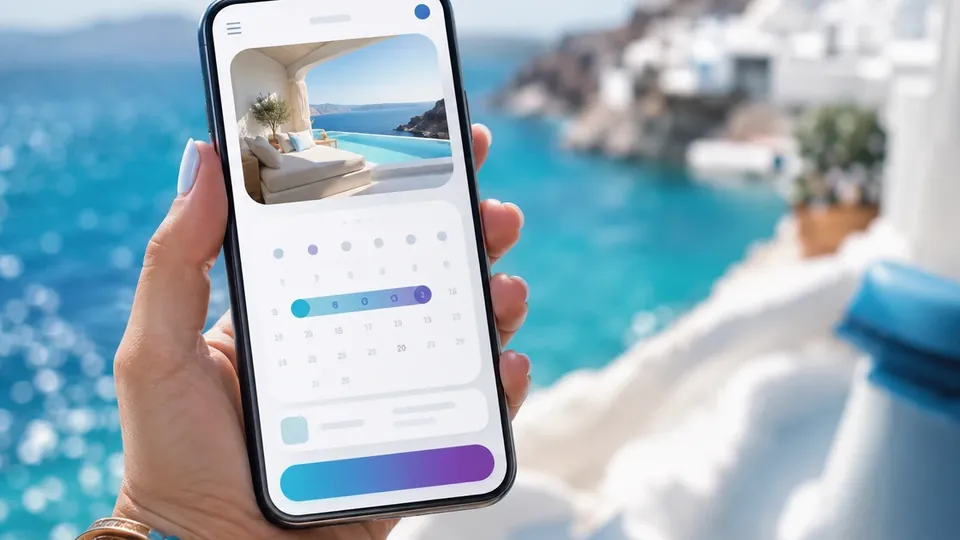
- A live availability calendar with prices. The guest picks dates and sees at once whether a room is free and what it costs for those nights.
- Online payment. A full payment or a deposit, taken through a card payment provider at the moment of booking. Without payment, a booking is only a promise.
- A clear cancellation policy next to the booking button. Guests who hesitate to book direct are usually worried about exactly this.
- Automatic confirmation emails with the dates, amount paid, balance due and how to reach you.
- The languages your guests speak. Real translated pages, not an automatic translation widget.
- A fast, simple booking flow on a phone, on your own domain, so the guest does not land on an unfamiliar page at the moment of paying.
- Trust signals: real photos, your full address and phone number, and a link to your reviews.
The calendar and the payment are the core. Design, photos and text support them, but without them the site cannot take a booking.
How do you avoid double bookings across your site, Booking.com and Airbnb?
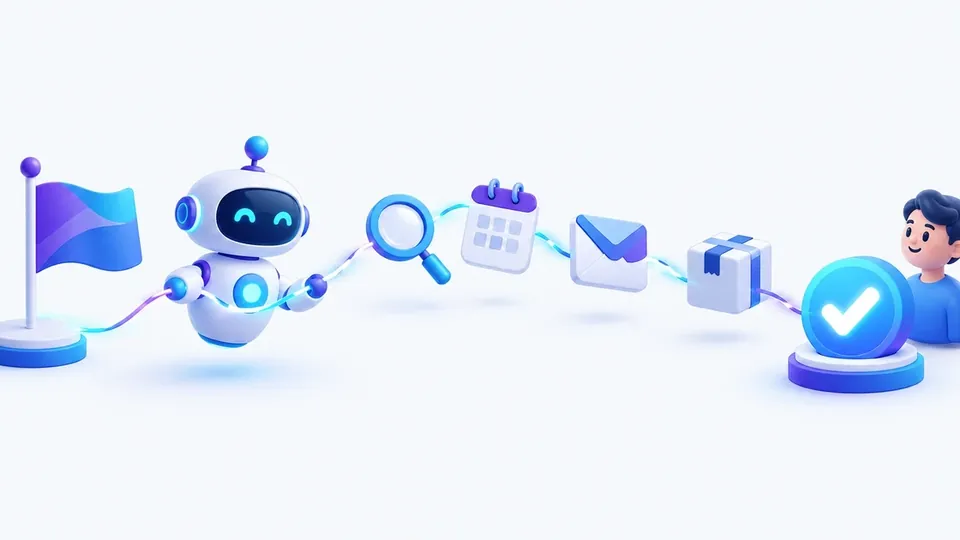
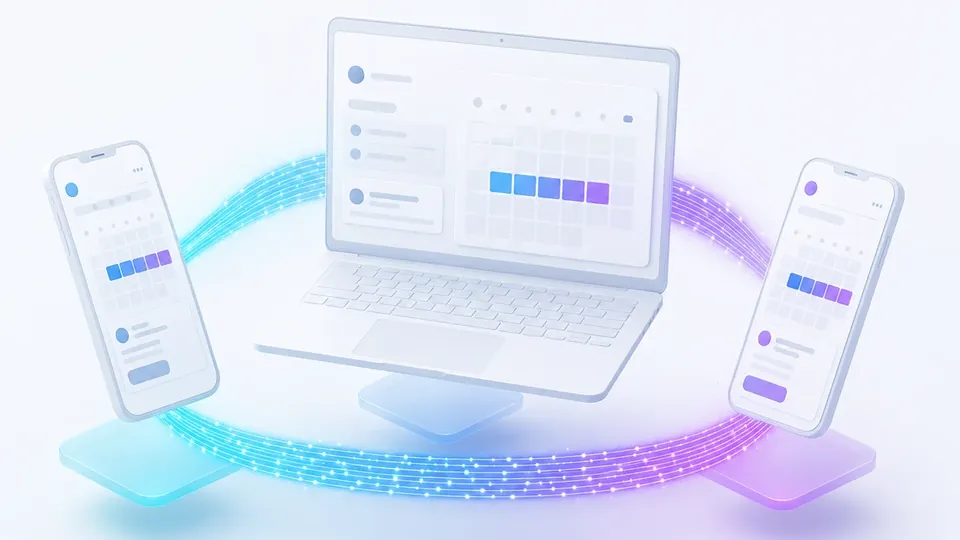
The fear of overbooking stops many owners from adding a direct channel. The fix is to keep one source of availability and push every change to every channel. There are two common ways to connect channels:
- Calendar feeds (iCal). Each channel publishes a calendar file and reads the others' files. It is simple and widely supported, but a calendar file is read again at intervals, not at the moment a booking happens. In a busy week, two bookings for the same dates can land in that gap.
- A direct connection. A channel manager or booking system connected to the platforms passes each booking on as it happens, so the other channels close the dates quickly.
Do not forget bookings that arrive by phone or email. The owner needs a quick way to block dates by hand, and that block must reach every channel too. When you compare options, ask how long a booking on one channel takes to close the dates on the others, and what you will pay for it every month.
What does a working direct booking setup look like?
MD Luxury Suites is a beachfront luxury apartment in Halkidiki, Greece. The owner already sold through Booking.com and Airbnb and wanted a third channel of their own, without overbookings and without needing technical skills to run it. PIXON built:
- A custom website in Greek and English.
- A custom booking module with a calendar that shows the price for each day, online payment of a 30% deposit, an option to send a simple request instead, branded confirmation emails, and free cancellation up to 7 days before arrival.
- Real-time availability sync with Booking.com and Airbnb. A booking on any channel closes the dates on the other two in about 15 seconds.
- An app for the owner, installed on their phone, with a custom pricing panel. From it the owner blocks dates, sets the price for each day and sees bookings from every channel in one list.
Two choices from this project apply to most properties. The website gives guests a 5% lower price than the platforms, as a reason to book direct. And the pricing panel applies last-minute discounts automatically to empty dates close to arrival, so the owner does not have to remember to do it. You can see the project with the others in our work.
What does a hotel website with direct booking cost?
There are three broad routes:
- A presentation website with an inquiry form. Good photos, room descriptions, location, your contact details and a link to your reviews. It catches guests who search for your name but does not take bookings. At PIXON this fits the website design packages: Basic from €400, delivered in 7 to 10 working days, or Advanced from €700 with two languages, delivered in 10 to 14 working days.
- A website with a subscription booking engine. A third-party booking engine or channel manager plugged into your site. Lower cost to start, but a monthly fee for as long as you use it, and the booking step often runs on the provider's pages. Ask each provider for the full monthly cost and whether they take a share of your direct bookings.
- A website with its own booking system. The calendar, payment, emails and channel sync are built into your website, as in the MD Luxury Suites project. At PIXON this is a Custom Website, with an indicative starting price of €2,500. The final price comes only after a written study, because it depends on the number of rooms, languages, payment setup and channels.
After launch, hosting with maintenance at PIXON is €25 per month, billed yearly. Prices exclude VAT. Whether VAT applies depends on where your business is based, and your quote states it clearly.
When does a direct booking website pay for itself?
You need five numbers, and you have most of them already.
| Letter | What it is | Where to find it |
|---|---|---|
| R | Yearly revenue you expect to move from platforms to direct bookings | Your estimate. Start small. |
| c | Platform commission rate | Your reservation statement or payout report |
| d | Discount you give for booking direct, if any | Your choice |
| p | Card payment fee | Your payment provider's price list |
| M | Yearly running costs of the site and booking system | Hosting, maintenance and any subscriptions |
Yearly saving = (R × c) − (R × d) − (R × (1 − d) × p) − M
Payback in years = build cost ÷ yearly saving
Here are two worked examples. Both use c = 15%, d = 5%, p = 2% and M = €300 per year, and a build cost of €2,500. These are example inputs only: replace each one with the figure on your own statement, price list and written quote.
| Small property | Larger property | |
|---|---|---|
| Revenue moved to direct (R) | €10,000 | €40,000 |
| Commission saved (R × c) | €1,500 | €6,000 |
| Direct discount (R × d) | −€500 | −€2,000 |
| Card fees on what the guest pays | −€190 | −€760 |
| Running costs (M) | −€300 | −€300 |
| Yearly saving | €510 | €2,940 |
| Payback on €2,500 | About 4.9 years | About 10 months |
If you can only move €10,000 a year, a full booking system takes years to pay back, and a simpler site that sends returning guests to your phone or email may be the better first step. Because Booking.com also charges commission on cleaning fees and, in most countries, VAT, run the formula with the totals your commission was actually charged on. It counts only commission, not the value of owning your guest list.
How do you get guests to book direct?
A booking website does not fill itself. The guests most likely to book direct are the ones who already know your name, so start with them:
- Win searches for your own name. Someone who searches your property's name should find your website first, with your Google Business Profile, photos and reviews next to it. Our guide to local SEO for small business covers the profile, reviews and consistent details step by step.
- Invite past guests back. Every direct booking gives you an email address. One message before the next season, with priority booking for past guests, costs nothing to send.
- Point every link to your site. Your social media profiles, email signature and printed cards should link to your booking page, not to a platform listing.
- Give a reason to book direct. A lower price where your contracts allow it, or an extra only direct guests get.
Track what share of your revenue comes direct each season. That number tells you whether the website is doing its job.
Common questions
Should I leave Booking.com and Airbnb once I have my own booking website?
Usually not. The platforms bring guests who have never heard of you, and that has real value. Your own website is for the guests who already know your name: returning guests, referrals and people who find you on a platform and then search for you. The goal is to move part of your bookings to the direct channel, not to replace the platforms.
Can I offer a lower price on my own website than on Booking.com?
It depends on your agreement with each platform and on the rules where you operate. Check your contract before you advertise a lower direct price. Many properties offer a direct-only extra instead of a lower rate, such as late check-out or a welcome gift, which is easier to manage.
Do I need a channel manager?
If you sell the same rooms on more than one channel, you need some way to keep availability in sync. That can be a subscription channel manager, a calendar feed connection or a sync built into your own booking system. What matters is how fast a booking on one channel closes the dates on the others, and what it costs you every month.
How much does a hotel website with direct booking cost?
At PIXON, a site with its own booking system starts from €2,500 as an indicative price, and the final price is set in a written study. A site without online booking starts from €400. Prices exclude VAT.